



Top Trends in Sustainable Packaging for 2025
Keywords: sustainable packaging, eco-friendly packaging, packaging trends 2025, biodegradable materials, circular economy
Introduction: Sustainability is no longer just a buzzword—it’s an imperative for businesses aiming to stay competitive and responsible. As we step into 2025, the packaging industry is witnessing a wave of innovation driven by environmental concerns and shifting consumer preferences. Let’s explore the top trends in sustainable packaging that are reshaping the future.
1. Biodegradable and Compostable Materials
Consumers and brands are moving away from traditional plastics toward biodegradable alternatives. Materials such as plant-based bioplastics, mushroom packaging, and seaweed-derived films are gaining popularity.
Why it Matters: These materials break down naturally, reducing landfill waste and environmental pollution.
2. Lightweight Packaging
Minimizing material usage without compromising durability is a key trend. Lightweight packaging helps reduce transportation costs and carbon footprints.
Example: Beverage companies are adopting thinner aluminum cans and flexible pouches.
3. Reusable Packaging Models
The rise of circular economy models has led to an increase in reusable packaging solutions. Companies are designing durable packaging that consumers can return, refill, or repurpose.
Example: Brands like Loop are pioneering reusable packaging systems for everyday products.
4. Smart Packaging for Sustainability
IoT-enabled packaging solutions help optimize supply chains and reduce waste. Smart labels provide consumers with information about the product’s environmental impact.
Why it Matters: Transparency builds consumer trust and encourages responsible consumption.
5. Water-Based and Solvent-Free Inks
Eco-friendly printing solutions are becoming standard. Water-based and solvent-free inks reduce the emission of volatile organic compounds (VOCs) during packaging production.
Impact: Healthier production environments and improved recyclability.
6. Minimalist Design for Waste Reduction
Less is more when it comes to sustainable packaging design. Minimalist designs not only reduce material usage but also appeal to eco-conscious consumers.
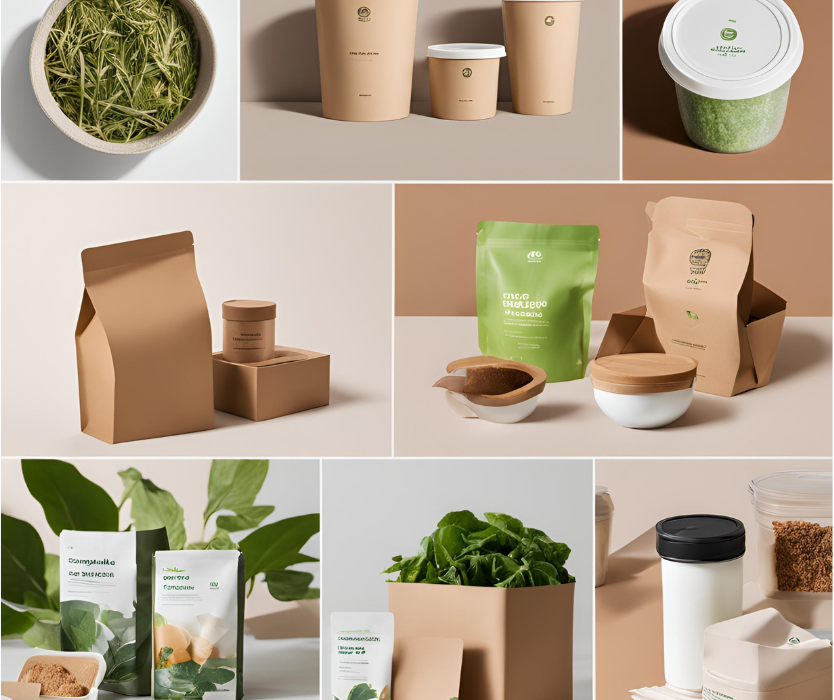
Example: Unbranded kraft paper packaging with simple labels.
7. Recycled Content in Packaging
The demand for post-consumer recycled (PCR) materials continues to rise. Companies are incorporating higher percentages of recycled content in their packaging.
Why it Matters: This reduces the reliance on virgin resources and promotes a circular economy.
Conclusion
Sustainable packaging trends in 2025 reflect a growing commitment to environmental stewardship. By adopting innovative materials, designs, and technologies, businesses can reduce their ecological footprint while meeting consumer demands for eco-friendly solutions.
Call to Action: Looking to stay ahead in the packaging industry? Subscribe to The Packaging Technologist for the latest insights on sustainable packaging trends and innovations.