

How Global Brands Are Shifting Toward Sustainable and Recyclable Packaging
BY admin
December 6, 2025
0
Comments
389 Views
Across industries, 2025 has emerged as a landmark year for sustainable packaging transformation. From food seasonings to chocolate bars, industrial lubricants to children’s toys, companies are rethinking how their products are packed, shipped, and consumed. This shift is driven by rising consumer awareness, global sustainability commitments, and a shared responsibility to reduce plastic waste.
Here are some of the most notable real-world examples from late 2025 that show how brands are making packaging cleaner, greener, and more circular.
LEGO Group: Replacing Internal Plastic Bags with Recyclable Paper Bags
In November 2025, the LEGO Group announced a major milestone in its packaging sustainability journey—56% of its packing lines worldwide have moved from single-use plastic bags to recyclable FSC-certified paper alternatives.
The switch began in 2022, and by the end of 2025, LEGO’s factories in China and Vietnam had nearly completed the transition. The remaining locations, including the Czech Republic, Hungary, and Mexico, are expected to fully adopt paper-based bags by 2027.
This move is not only environmentally impactful, but also sends a strong message: even small components inside packaging—like the individual bags holding LEGO bricks—matter in the global effort to reduce plastic waste.
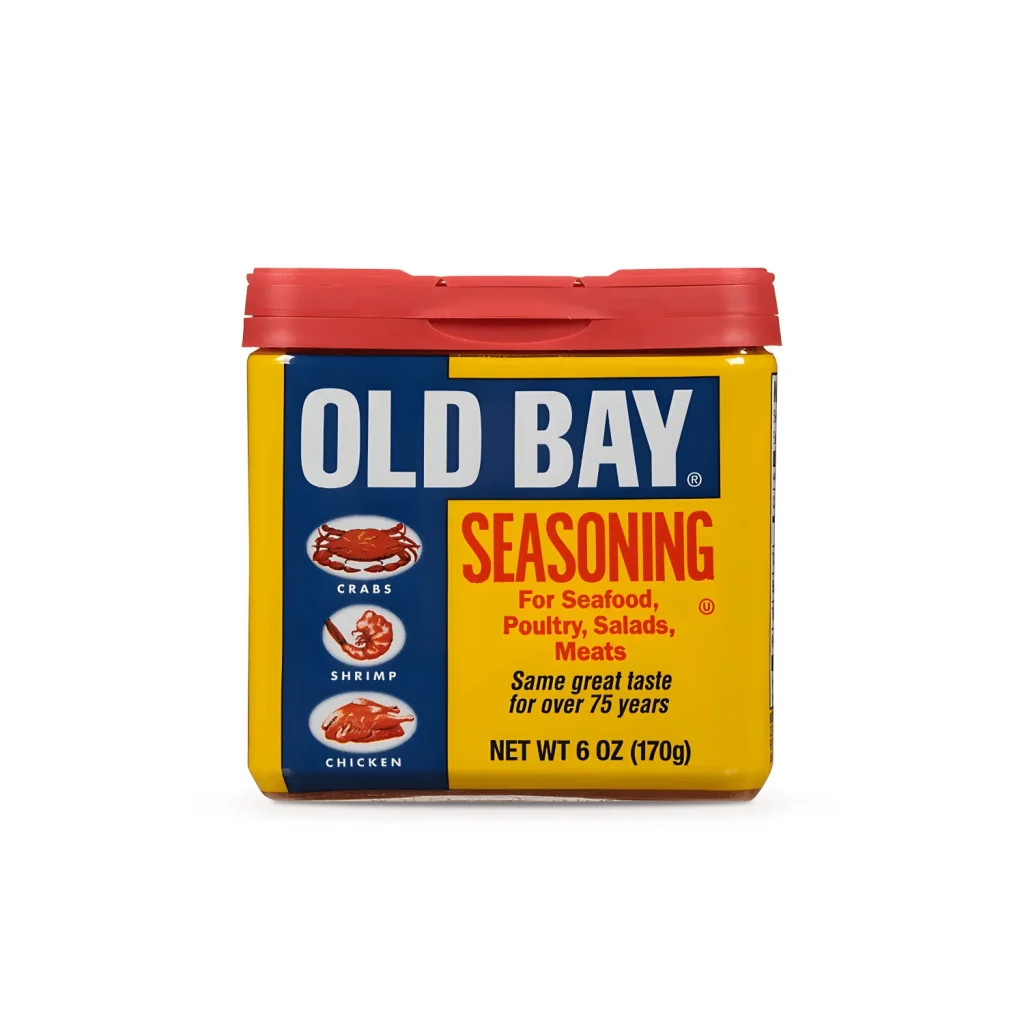
OLD BAY: Returning to Classic Tin Packaging to Cut Down Plastic
A nostalgic yet modern sustainability shift came from OLD BAY in December 2025. The iconic seasoning brand announced that it is phasing out plastic containers and bringing back its classic metal tin packaging.
This return to tins is more than a design choice; it is a sustainability decision. Metal tins are:
Widely recyclable
More durable
Less likely to contribute to persistent plastic waste
For millions of loyal OLD BAY fans, the move blends tradition with environmental responsibility—showing that sometimes the most sustainable innovations come from the past.
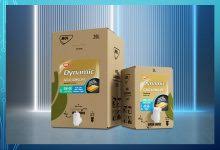
MOL Group: Eco-Friendly Bag-in-Box Packaging for Industrial Lubricants
Sustainable packaging is not limited to consumer goods. In December 2025, MOL Group introduced a new eco-friendly bag-in-box packaging format for lubricants, replacing more rigid, plastic-heavy containers used in industrial settings.
The system reduces:
Plastic consumption
Transport weight
Overall carbon footprint
It also improves storage efficiency and minimizes waste at end-of-life. This example shows how sustainability is expanding beyond retail shelves into the industrial and automotive sectors.
Cadbury: Chocolate Bars Wrapped in 80% Recycled Plastic
While not all packaging can immediately shift to paper or metal, Cadbury made a significant step toward circularity in 2025 by adopting 80% recycled plastic content in its chocolate bar wrappers in selected UK and Ireland markets.
This reduces the reliance on virgin plastic and strengthens the recycling loop by creating high-value demand for recycled materials.
Cadbury’s move highlights an important truth: sustainability isn’t one-size-fits-all. For products requiring flexible, protective films, increasing recycled content is an effective and scalable solution.
The sustainable packaging revolution is accelerating—and 2025 has shown just how diverse and impactful these innovations can be. Whether it’s a classic spice tin making a comeback or a technologically advanced paper bag replacing plastic, every shift represents progress toward a more circular, environmentally responsible future.
As more brands embrace eco-friendly packaging, consumers, businesses, and the planet all stand to benefit.
Keywords: sustainable packaging, eco-friendly packaging, packaging trends 2025, biodegradable materials, circular economy Introduction: Sustainability is no longer just a buzzword—it’s